8. You’re keeping a list of offenses

It’s not like you’re keeping an actual physical list of all the times you were slighted or offended…..right?

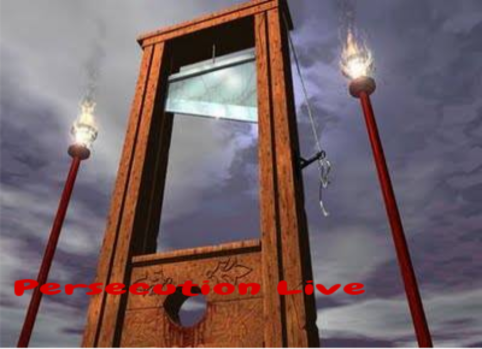
Most likely it’s a mental list. Each time your offender looks at you the wrong way, or says something offensive, or just ignores you, you catalog the action as part of a long list of offenses you use to justify keeping them trapped in your dungeon.

But as you saw above, you may think they’re the ones in your dungeon but if you look more closely, you’ll see that you’re the one inside the prison bars, not outside.

What to do instead: If your list is so long that you’ve forgotten the original offense that started you down this dark path, it’s probably time to ditch the list. If you already have a written list, you’re already halfway there. Just put it in the shredder. If it’s in your head, do go ahead and write it down then destroy it.

Read More

7. You’re sick

That’s right. Withholding forgiveness may actually be making you sick.

If you’re struggling with stress related illness such as anxiety, depression, or high blood pressure, it may be time to try some forgiveness therapy.

What to do instead: Letting go of bitterness has been said to not only improve the above conditions, but also improve your immune system, heart, and overall mental health.

If you’re holding on to unforgiveness for dear life, consider the sobering idea that holding on might actually be slowly taking your life.

Read More

6. You’re not taking responsibility for your feelings

Find yourself blaming the person you cannot forgive for your feelings? Maybe you’re blaming the weather, or even random events.

Understand that when you choose to withhold forgiveness, what you’re saying to the offender is:

“I hold you responsible not just for what you did to me, but how I reacted and responded to what you did. I hold you responsible for my unhappiness.”

What to do instead: You may be slow to acknowledge it, but this is often the hidden script operating in your heart and soul. But it’s a lie, plain and simple. Only you are responsible for your reactions and feelings. By giving that responsibility away to your offender, you’re allowing them to have power over you that’s not theirs to have.

Unearth the script by saying it to yourself out loud. Write it down. You’ll almost immediately recognize and acknowledge the lie in your script. Choose to take back what is rightfully yours—your own reactions and feelings, no matter how unpleasant. This will be key to freeing you from your self-imposed prison.

Read More

5. You’re unable to reframe your experiences

When you allow another person to color your memories, the sight of a formerly favorite tchotchke or the smell of a once loved eatery will only bring you angst. The pleasant associations you once had are gone.

What to do instead: Acknowledge the part this association played in your life but don’t allow it to control you going forward. This may mean donating the offending item or hiding it away for a time. It may mean creating new, happy memories with a cherished friend in a place where you once found yourself overwhelmed with negativity.

Read More

4. You’re compulsive

You can’t control the hurtful person, but you can control your environment. This can quickly become a negative spiral of compulsive activity. Maybe for you this means keeping your spaces spotless, checking social media repeatedly, or making unnecessary purchases. Maybe it involves comfort eating.

These behaviors give you the impression of being in control, but they will not change the result of your interactions with the person. These activities only distract you from getting to the heart of the problem.

What to do instead: In the midst of compulsive behavior, there is often a moment when you realize what is happening. Choose to pull away. What is important to you? Is it being reflected in the way you spend your time? Is what you’re doing helping you to heal?

Read More

3. You’re desperate to make them understand how you feel

Does your inner monologue sound like this?

“If the person who caused me pain could only see what they’d done, they would want to say they were sorry.”

What to do instead: It’s hard to swallow, but the person may never recognize what they’ve done. Acceptance and letting go are key aspects of forgiveness. A time-tested way to do this is to write them a letter that you do not intend to send. Do this with the ultimate intention of destroying it and letting go of its contents.

Read More

2. You’re petty and impulsive

When interacting with the person who you struggle to forgive, do you make snide remarks? Do you send them passive aggressive texts? Do you engage in mudslinging? And yet you’re still powerless because you have not forgiven them.

What to do instead: Pause before engaging with the person. Sometimes a moment is all you need to let your conscience kick in. Is your contemplated interaction going to improve things, or just take the edge off of your hurt for a moment before the regret comes?

How forgiving are you? Take the forgiveness quiz to see where you stand.

Read More

How can you know whether unforgiveness is eating you alive? Here are some warning signs and some ways you can reverse course:

1. You’re experiencing bursts of anger


If you’re struggling with unforgiveness, you’re likely bottling up your anger. Oftentimes, the person who is the recipient of the inevitable outburst is not the person who caused the stress or pain.

What to do instead: Be mindful when you start to feel anger building. Be aware of the source. If you catch yourself in the middle of an outburst, it’s never too late to do an about face. Apologize to the victim of your outburst. Take a deep breath. If you can, spend a few moments alone.

Read More

14 Warning Signs That Unforgiveness Is Eating You Alive (And What to Do About It)

“Forgiveness is not an occasional act, it is a constant attitude.” ~ Dr. Martin Luther King Jr.

You think you’re over it.

You pretend everything is ok.

But something isn’t quite right.

You have trouble sleeping. You can’t stop thinking about what happened. You can’t seem to move on.

We have a hard time forgiving people, some more than others. The reason is because many of us have faulty notions of what forgiveness is in the first place – like receiving an apology or being reconciled with the person.

We may not want to admit it, but sometimes when we’re looking to offer forgiveness, we want it to be because somebody else conceded first. But what you’re waiting for may never happen, especially when dealing with toxic people.

Read More

Day 2: Tangible Grace

Here’s Day 2 of Hope and Healing:

Meditate on this Bible verse:

2 Corinthians 12:9: “And He said to me, ‘My grace is sufficient for you, for My strength is made perfect in weakness.’ Therefore most gladly I will rather boast in my infirmities, that the power of Christ may rest upon me.”

And pray this for tangible grace:

As a reminder, always pray in every way the Lord leads you. Holy Spirit is your intercessor (Romans 8), and He will help you pray just exactly the way HE wants you to.

So use your own words; ask Holy Spirit to help you; and simply receive from Him as He prays through you the heart of the Father!

Read More