Gold King Mansion Mohave County, Arizona A century-old miner’s quarters turned mansion.

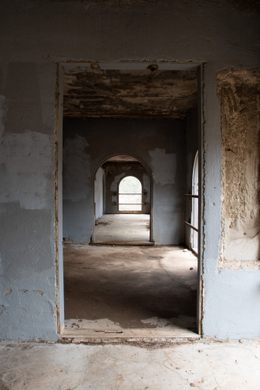
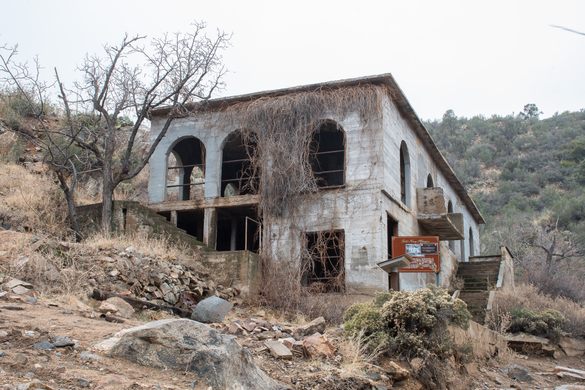
THE GOLD KING MANSION SITS in the Hualapai Mountains in Mohave County, Arizona. Construction on the mansion began in 1930, shortly after a strike had been made on the land in April 1929 and a claim was made to it in July of the same year.

Progress was swift; a camp and road connected to the county highway were built to support the growing operation. As the mine grew, so did expectations as the mine operator, P. M. Woods, reported the company was to install a “big hoist,” “a big gas engine and a compressor… sufficient to operate the drills and pumps,” and an onsite ore mill. The prospective growth of the mine was enticing to financiers who rushed to invest.

At the end of August 1930, the company announced the building “the first of a series of model bunk houses, using reinforced concrete construction.” The houses were, according to the mine superintendent, to “contain an adequate sleeping room to accommodate several miners, a modern bathroom, and be provided with electric light.” Multiple of these bunkhouses was intended to be constructed but come October 1930, the mine found a large workforce unnecessary as the mine resulted in only one of the buildings being constructed.

In 1933, a local rancher John Odie visited the mine and found that the mansion was not used to shelter miners as originally intended. Odie claimed the owners “would take prospective stock buyers up there and wine and dine them and put them up in the house.” The estate was also furnished less like a miner’s quarters and more akin to a resort with elaborate crown molding, copper screen windows, and a concrete fishing pond off the east side of the building.

The mine was not nearly as successful as it once was projected to be as their starting capital of $1 million in 1930 was whittled down to $700,000 in 1933 when the last of the mining took place for the decade.

Despite inactivity between 1934 and 1941, interest in the mine resurged with the beginning of WWII and P. M. Woods resumed operation with a small crew in October 1942. The mine continued to operate through the war and produced gold, silver, lead, and zinc in small quantities. The mine was in use until 1947 but due to economic changes post-war and the death of P. M. Woods in 1948, the property was in limbo.

In 1972, Mohave County historian Roman Malach described the condition of the property and that all doors, windows, and wooden trim had been pilfered but that the ornate fireplace still remained. In 1980 another historian, Joe Blackstock, returned to find the fireplace stolen. Vandalism has remained an issue for the property but Site Stewards and the BLM have taken steps to maintain and preserve it.
Read More

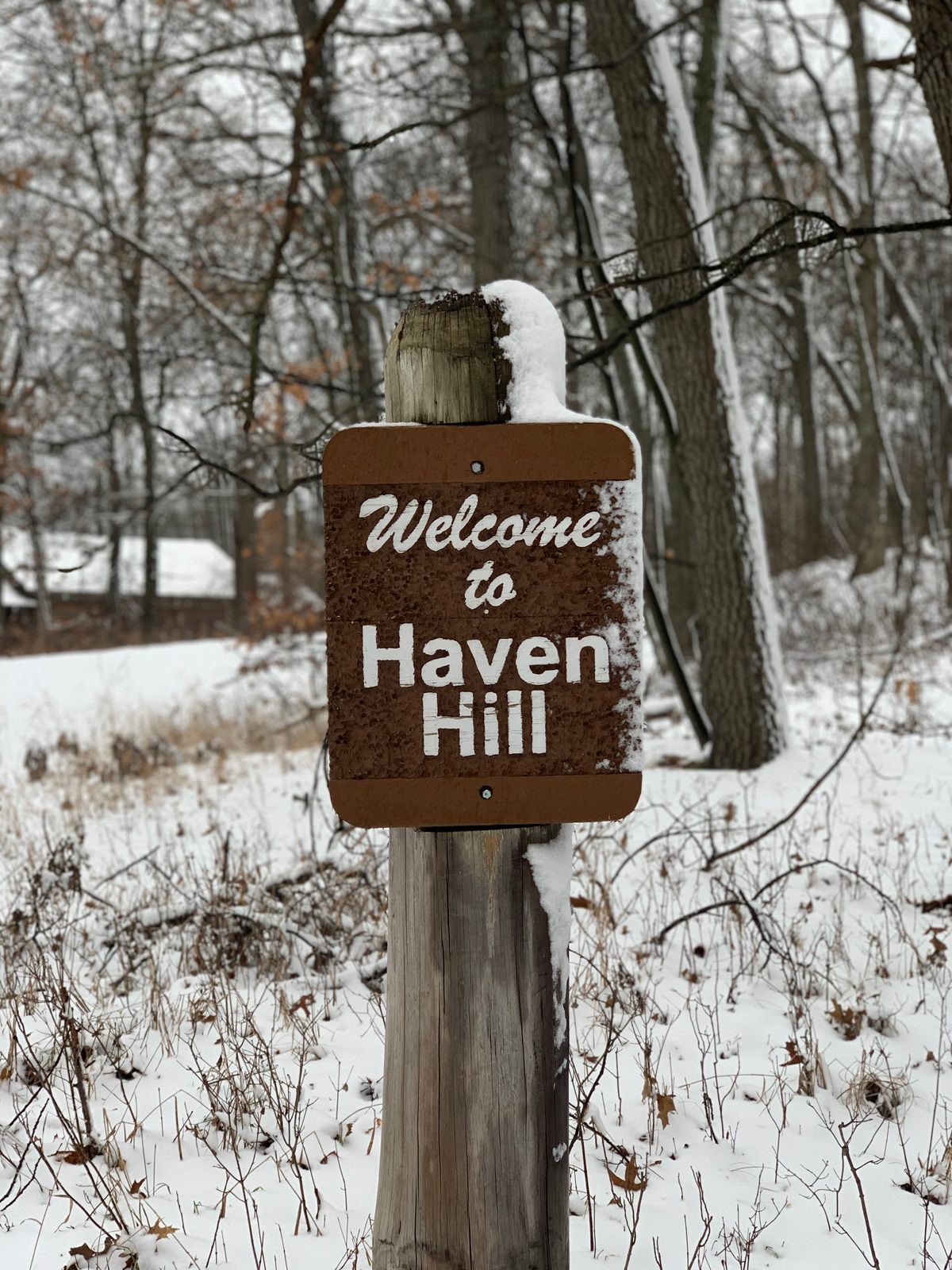
Haven Hill White Lake, Michigan Once the extravagant escape of the Ford family, this enigmatic ruin now stands as a haunting reminder of its former glory.

THIS ESTATE, ONCE A SYMBOL of luxury and extravagance, now stands as a testament to the ravages of time and neglect. However, a visit to this secluded haven can still elicit a sense of thrill and excitement, as one embarks on a short but intriguing hike on a paved driveway to reach the dilapidated structure.

Despite the decay that has taken hold of the estate, there are still remnants of its past glory that manage to capture the imagination. A cement base and standing chimney still stand, a stark reminder of a fire that engulfed the property in 1999.

Visitors who venture further into the estate are rewarded with a glimpse into the opulence of the past.

A walk down the trail on the backside reveals a pool and tennis courts that haven’t been touched since the 1980s, frozen in time and untouched by human hands for decades. The air is thick with the sense of history and grandeur that once filled the estate, creating an otherworldly atmosphere that is difficult to describe.

Read More

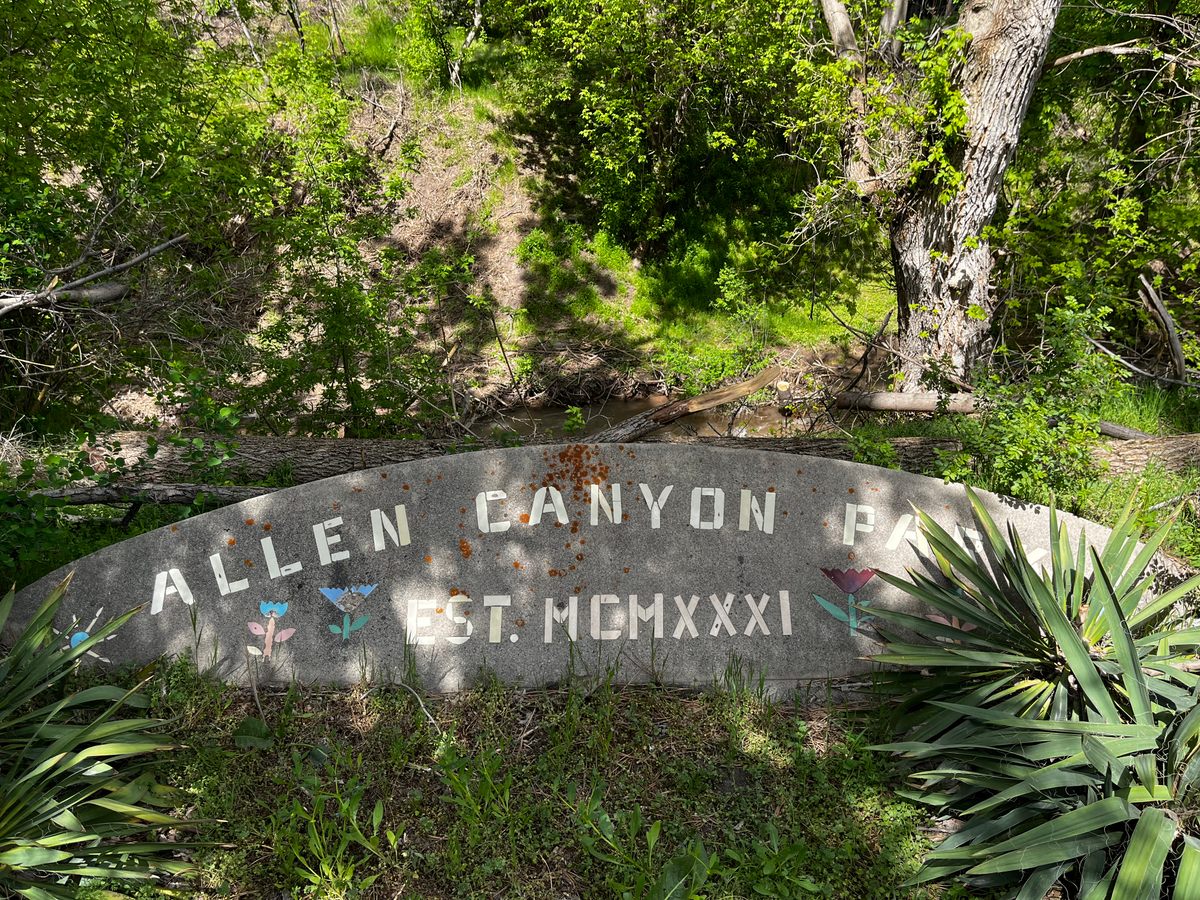
Allen Park Salt Lake City, Utah This former wildlife sanctuary is being transformed into an art park.

THERE IS A POST-APOCALYPTIC FEELING upon entering Allen Park. All of the abandoned structures are fenced off and in some stage of decay with nature slowly taking back its place. There are small areas where animals were once kept along with the small aviaries. As you stroll in this quiet park there are engraved lampposts and signs filled with poetry mostly dedicated to nature. You pass by a log cabin and a few small homes in varying states of decay.

These buildings were once owned by George Allen, a surgeon and animal lover who lived in the log cabin and rented out the other spaces to students or anyone who wanted to live in such a small space. Allen was a man with great interest in animals, especially birds.

Allen bought the property in the early 1930s and turned it into a bird sanctuary. On Sunday evenings, he would open parts of the park to the public. It was not Allen’s only foray into animal conservation—he played an important role in the establishment of both Hogle Zoo and Tracy Aviary.

The bird sanctuary eventually closed, and the property fell into disrepair. (For a time, it was home to a community of squatters and earned the nickname “Hobbitville.”) But in March 2020, Salt Lake City purchased the land and announced plans to fix up the property and turn it into a public art park. Later that year, the first few portions of the restored park were opened to the public.

Know Before You Go

Check the city’s park website for hours and construction updates.

“Coming Out” – My Journey with Anxiety by Hara Howard

I remember it like it was yesterday. My first panic attack. I was 8 years old, and I felt like I was dying. The worries in my mind had taken over my body and it was as if I had no control over what was happening to me. Growing up, anxiety was not talked about often or understood by most people. The stigma, embarrassment, and shame led me to keep this part of me hidden. On the outside I was a typical child with a bubbly personality. On the inside I was dreading daily life and focusing on the uncomfortable sensations that permeated through my body.

I did not have the tools to either express or cope with my inner struggles. My inner anxiety had so much power and control over my life. It seemed like no one understood, and I felt angry when they didn’t. My journey through my adolescence was similar with the exception of my growing ability to mask my secret better. While I was extremely lucky to have parents who tried everything in their toolbox (psychologists, therapists, etc.) to help me, I realize now that it was not until I accepted my own anxiety that my life was able to take a turn. I say a turn, because that is exactly what living with anxiety feels like (twists and turns, highs and lows). I do give a lot of credit to finding the medication that was best for me. Whether you are a proponent of mitigating measures or not, I strongly suggest being open minded to the possibilities of change that come with anxiety medication.

As I got older, I felt that so much of my life was “ruined” by my anxiety. I couldn’t go back, but I did want to give others what I was missing. I wanted to be a person who DID understand what they are going through. With complete irony, I decided to spend my days in the place that caused me so much anxiety as a child. I am now an elementary school counselor and licensed professional counselor. I promote and educate mental health to all students. I am doing my part to help both struggling students as well as educating compassionate allies for them.

Read More

My Journey With Anxiety by Gina Bell

My journey with anxiety has been a process filled with loneliness, shame, and growth.

When we share about these things not only does it help us not be alone, but it normalizes something that is a common experience and challenge for so many of it. It can remove the shame and start the healing!.

My journey with anxiety has been going on my entire life but exploded five years ago in the form of an anxiety attack. I had just landed in Hawaii and started to feel sweaty and sick to my stomach. My breathing became rapid and short.

We collected our bags and went to urgent care. I was having an anxiety attack, but I did not know it. I had no idea why or what was happening, and I was far from home.

We tried to stay for a few days, but it was useless I was not having a good time nor was my husband. We came home, the roughest trip of my life.

There were a few trips to Hawaii after that all of them landing me in the ER or urgent care. This took a toll on me both mentally and physically.

I was no longer the pillar of strength my husband had married so many years ago. Was he going to leave me? He did not understand this “anxiety”.

I tried to get out of bed some days but just could not. I was crying all the time, feeling shame and embarrassment.

Read More

How Two Sisters Decided to Return to the Present Moment, And Bring Everyone Else With Them by Emily Stetzer

If you’re anything like me, at this point you’ve probably felt your jaw physically drop at the absurdity of a year the world has experienced. It’s like someone had taken plot lines from every single one of our favorite binge-worthy drama series, threw it all at 2020 (and some of 2021) and said “this should be interesting.”

As someone who has dealt with anxiety for most of their life, I can say that this hodgepodge of random, scary, and uncertain information is not so far off from the chaos that someone with a mental health disorder may experience in their own mind.

For me, it’s like having your brain flash through all the terrifying and confusing news headlines of your own life.

On bad days – these headlines act as a puppeteer – guiding me blindly through life against my own “wise mind.” Trying to navigate this chaos is exhausting, – being pulled in so many different directions and spread so thin that life can be anything but enjoyable.

Thankfully, because my older sister, Lindsay, had dealt with similar struggles, I was encouraged to find the resources, like those provided by ADAA, to ask for help; to ask someone else how I was supposed to deal with my mind because I definitely couldn’t figure it out.

My name is Emily. My sister, Lindsay, and I are both living with obsessive-compulsive disorder and anxiety (clearly it runs in the family). Through years of sharing one anxiety-ridden saga after another, we’ve come to learn that, though our OCD came in many different forms or “flavors,” we shared very similar mindfulness techniques to help us cope with our anxiety.

Read More

Medications

Several different types of medications are used to treat generalized anxiety disorder.

For some people, medication alone may be enough to relieve your symptoms and help you keep anxiety under control. For others, treatment may involve a combination of medication and therapy.

Currently, the most common medications used to treat generalized anxiety disorder include the following:

  • Selective serotonin reuptake inhibitors (SSRIs). These medications are designed to treat depression, but also work for anxiety disorders. They work by changing the levels of certain neurotransmitters inside your brain.

    Common SSRIs used to treat generalized anxiety disorder include paroxetine (Paxil®) and escitalopram (Lexapro®). These medications don’t work immediately — instead, it usually takes a few weeks before you’ll notice an improvement.

    While SSRIs can cause side effects, they’re relatively safe for long-term use and aren’t addictive. Because of this, they’re often used as long-term and first-line treatments for generalized anxiety disorder.

    You can learn more about how SSRIs work, their effects, side effects and more in our complete guide to SSRIs.

  • Serotonin-Norepinephrine Reuptake Inhibitors (SNRIs). Like SSRIs, medications of this type work by changing the levels of certain neurotransmitters in your brain. SNRIs are also often prescribed to treat depression.

    Common SNRIs used to treat generalized anxiety disorder include duloxetine (Cymbalta®) and venlafaxine (Effexor®). Like SSRIs, it can take several weeks for SNRIs to produce a noticeable reduction in anxiety symptoms.

  • Benzodiazepines. These medications work by reducing the speed at which your central nervous system works. They can help you feel relaxed and reduce the severity of many anxiety symptoms.

    Common benzodiazepines used to treat generalized anxiety disorder include alprazolam (sold as Xanax®), diazepam (Valium®) and others. These medications generally work quickly and help to limit anxiety symptoms in about 30 minutes to one hour — but also aren’t long-lasting.

    Although benzodiazepines are effective, they can cause side effects and dependence if used too often. Because of this, medications of this type are typically only prescribed to treat generalized anxiety disorder in the short term.

    They’re also not typically prescribed to people with severe and persistent suicidal thoughts, or people with a history of addiction.

  • Buspirone. This is an anxiolytic, or anti-anxiety medication, that’s prescribed to treat generalized anxiety disorder. It has relatively few side effects and is often prescribed after other medications aren’t effective. It may also be used with SSRIs.

    Buspirone (Buspar®) isn’t addictive and doesn’t cause physical dependence, meaning it’s often a good option for people prone to substance abuse.Although effective, it can take several weeks to start working as a treatment for generalized anxiety disorder.

No two individuals or cases of generalized anxiety disorder are exactly the same.

As such, your healthcare provider will work with you to choose a combination of medication and therapy that’s best suited to your needs.

Read More

Psychotherapy

Generalized anxiety disorder is often treated through psychotherapy. Many people affected by GAD experience improvements through a form of therapy called cognitive behavioral therapy (CBT).

Cognitive behavioral therapy is a form of talk therapy. It often involves identifying and changing the unhelpful, learned behavioral patterns that can contribute to problems such as anxiety.

As part of cognitive behavioral therapy, you may work with your healthcare provider to focus on recognizing the aspects of your thinking that contribute to anxiety and use problem-solving skills to better deal with situations that cause you to experience symptoms.

Sometimes, other forms of therapy are used to treat generalized anxiety disorder. These include mindfulness-based approaches, which often incorporate meditative practices, and options such as acceptance and commitment therapy.

In some cases, you may undergo psychotherapy while also using medication to control and limit your anxiety symptoms.

If you’re worried that you may have generalized anxiety disorder and want to explore therapy as a way to receive support and make progress, you can take part in group or one-on-one therapy online with a licensed therapist.

Read More

Treatments for Generalized Anxiety Disorder (GAD)

Like other anxiety disorders, generalized anxiety disorder can have a significant negative impact on your life. However, it is treatable. A variety of different treatments are available for GAD, from therapy to the use of certain medications.

In some cases, the symptoms of generalized anxiety disorder can also be improved by making certain changes to your lifestyle.

If you think that you might be affected by generalized anxiety disorder, it’s important to talk to a mental health professional. You can talk to a licensed psychiatry provider online and learn more about the options that are available to help you.

We’ve listed all of the treatment options for generalized anxiety disorder below, along with more information on each treatment.

Read More

Causes of Generalized Anxiety Disorder

Right now, experts aren’t completely sure about what causes generalized anxiety disorder. The current research points toward a possible combination of biological factors and environmental factors that may contribute to anxiety disorders such as GAD.

While the exact cause of GAD isn’t known, certain factors may increase your risk of developing generalized anxiety disorder. These include:

  • Being female. Women are twice as likely to be affected by generalized anxiety disorder as men. In fact, many anxiety disorders appear to be more prevalent in women than in men, according to the National Institute of Mental Health.
  • Stressful or traumatic experiences. Going through a traumatic or negative experience, or dealing with significant life changes, may increase your risk of developing generalized anxiety disorder.
  • Personality traits. Some personality traits (such as a negative temperament or general avoidance of risk), as well as things like race, traumatic life experiences, family environments and sex may be correlated with generalized anxiety disorder. However, it’s worth noting that this is a symptom of all anxiety disorders; not just GAD.
  • Family history of anxiety disorders. Generalized anxiety disorder may have a genetic component, causing it to run in families.
  • History of chronic physical or mental health disorders. Other chronic illnesses, such as physical illnesses and mental health disorders, may also be linked to an elevated risk of developing generalized anxiety disorder.

Read More